Repair of Roofing: Expert Guide
A comprehensive guide to repair of roofing, signs, methods, hiring pros, costs, and maintenance.
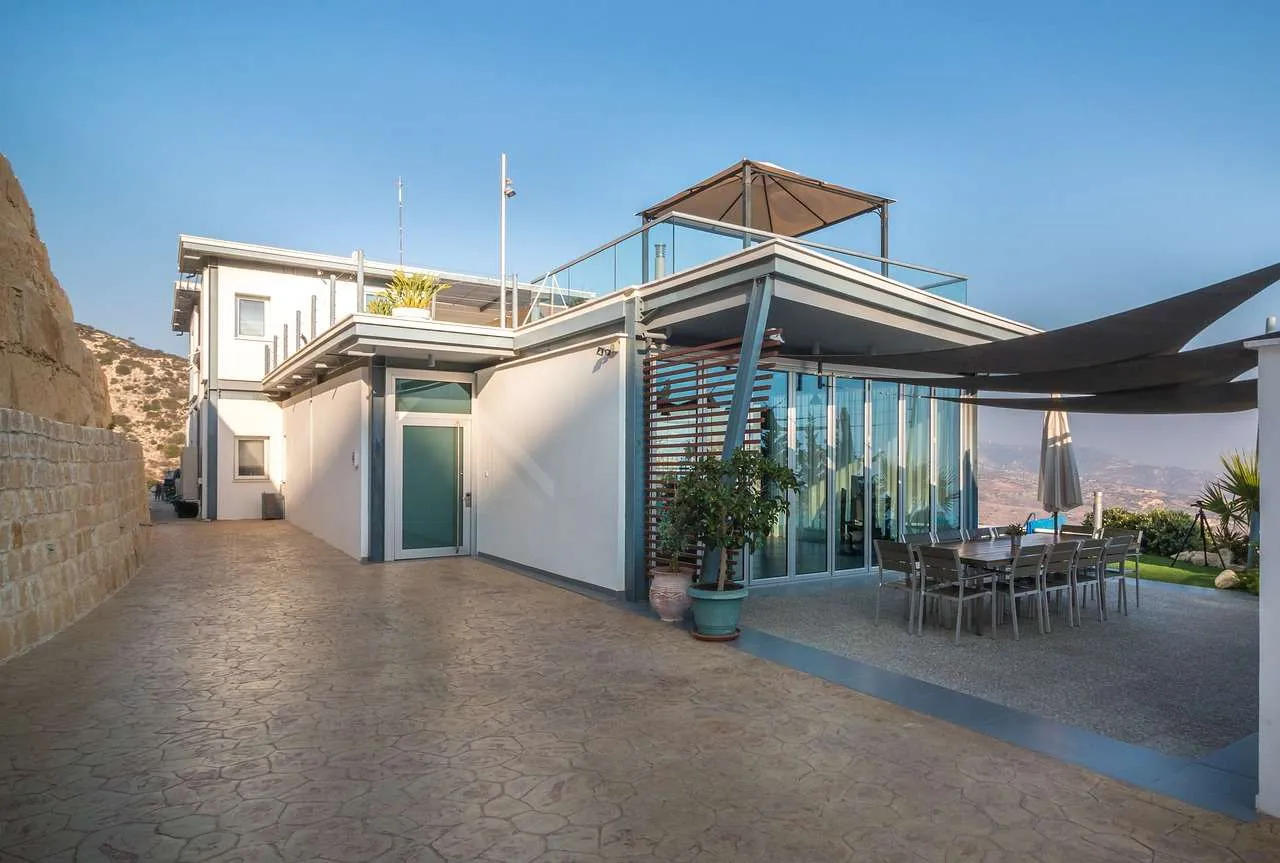
Maintaining the roof is the first line of defense against water intrusion, energy loss, and escalating repair costs. The repair of roofing, when performed promptly and correctly, protects your home, preserves structural integrity, and supports long-term value. This guide blends practical advice with expert insight to help homeowners assess issues, plan fixes, and choose qualified professionals for safe, durable results.
Why Repairing Your Roof Matters
Roof repairs aren’t just cosmetic. A compromised roof can lead to hidden leaks, mold growth, and expensive structural damage. Timely repairs limit water damage, extend the life of the roof, and often reduce energy bills by improving insulation and ventilation. While new roofing can be a major investment, targeted repairs are a cost-effective way to extend service life when issues are caught early.
Common Causes of Roof Damage
Weather extremes
Heavy rain, hail, wind, and snow gradually wear down shingles, flashing, and underlayment. Freeze-thaw cycles can cause cracks that widen over time.
Age and wear
Most roofs have a finite lifespan. Asphalt shingles may last 20-30 years, while metal or tile roofs can endure longer with proper maintenance. Aging materials become brittle and lose sealing capability.
Installation defects
Improper nailing, inadequate underlayment, or poor flashing installation can create recurring leaks and energy losses even if the roof looks intact.
Signs You Need Roof Repair
- Granules in gutters or fallen from shingles
- Curling, cracked, or missing shingles
- Visible leaks or interior staining after rainfall
- Sagging sections or water stains on ceilings
- Ice damming and condensation in attic spaces
Repair Options: DIY vs Hire a Pro
DIY small repairs you can safely perform
Some minor tasks, such as clearing debris from gutters, replacing loose nails, or sealing small cracks around vents, can be done with proper safety gear and guidelines. Always avoid working on a roof alone, use fall protection, and know your limits. DIY repairs are best reserved for non-structural issues on a dry, stable day.
When to call a roofing contractor
If you suspect structural damage, extensive shingle loss, active leaks, or must replace flashing, it is wise to hire a licensed contractor. Professionals can assess attic ventilation, confirm the source of leaks, and ensure code-compliant repairs that stand the test of time.
Choosing a Roofing Contractor
Trustworthy contractors bring licenses, insurance, and a proven track record. Request written estimates, check references, and verify warranties on labor and materials. Look for certifications from shingle manufacturers or roofing associations. A clear contract sets expectations for scope, timeline, and payment terms.
Cost and Budgeting for Roof Repair
Repair costs vary by material, extent of damage, and regional labor rates. Minor repairs may range from $150 to $1,000, while more extensive issues such as flashing replacement or repair of underlayment could reach $1,000 to $3,000. Full replacement costs are higher but may be warranted if multiple issues persist.
| Issue | Causes | Quick Fix or Repair | Estimated Cost Range |
|---|---|---|---|
| Missing or damaged shingles | Weather, aging | Replace affected shingles, reseal surrounding area | $150-$600 |
| Damaged flashing | Vent pipes, valleys, chimneys | Professional flashing repair or replacement | $300-$1,200 |
| Leaks around vents or chimneys | Improper seal or cracked flashing | Sealant plus flashing repair | $200-$800 |
| Ice damming | Poor insulation/ventilation | Address attic insulation and venting; repair roof edge | $500-$2,000 |
| Worn underlayment | Aging materials | Underlayment replacement beneath shingles | $800-$3,000 |
Maintenance and Prevention
Preventive maintenance extends roof life. Schedule annual or biannual inspections, clear gutters, trim overhanging branches, and ensure proper attic ventilation. Keep an eye on flashing and sealants, replace damaged shingles promptly, and address any moisture problems in the attic before they spill into living spaces.
Conclusion
Conclusion, maintaining your roof and addressing issues promptly protects your home, reduces energy loss, and preserves your property value. By recognizing signs, selecting qualified professionals, and implementing routine maintenance, you can achieve durable repairs and a longer-lasting roof.