Small Bathroom Ideas: Smart Design and Storage
Small bathroom ideas to maximize space with smart design and storage
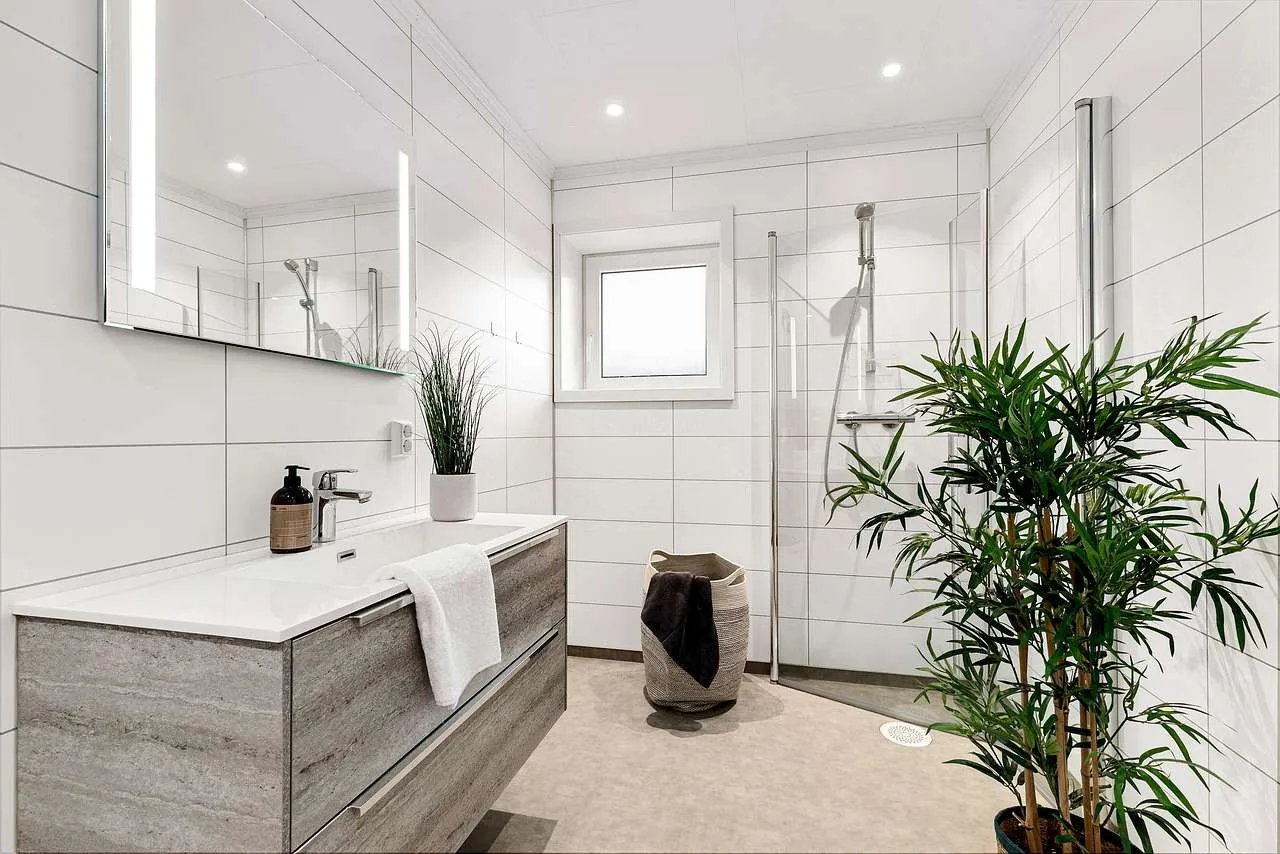
Small bathrooms present unique design challenges, but with careful planning you can create spaces that feel larger, function better, and still look stylish. This guide delivers practical small bathroom ideas backed by layout strategies, storage hacks, lighting plans, and durable finishes. Whether you are renovating a powder room or upgrading a compact family bathroom, you will find proven tips to boost space, reduce clutter, and improve daily routines while preserving a calm, cohesive look.
Key principles for effective small bathroom ideas
Begin with a clear plan that prioritizes circulation, storage, and light. Maximize vertical space by using wall mounted fixtures and tall storage, choose reflective surfaces to bounce light around the room, and select a limited color palette to create visual continuity. For EEAT style guidance, rely on expert-insight driven choices such as moisture resistant materials, durable hardware, and trimmable storage that minimizes clutter without compromising accessibility.
Color and finish choices set the tone. Light neutrals or soft pastels reflect more light than dark tones, while glossy surfaces add a sense of airiness. Plan for layered lighting that includes task lighting near mirrors, ambient lighting for general use, and accent lighting to highlight architectural details or art. A cohesive color scheme across walls, cabinetry and floors unifies the space and prevents it from feeling cramped.
Layout and space saving strategies
Layout is the single most impactful element in a small bathroom. Consider wall hung vanities and toilets to create a sense of openness beneath and around fixtures. If plumbing allows, place the sink against a blank wall to free up floor space for a slim storage tower or a narrow niche with essential items. For corner layouts, angular fixtures or circular basins can soften edges and improve maneuverability.
Prioritize flow. Keep a minimum 30 inch clear path for comfortable movement, and place towels, toiletries, and cleaning supplies within reach without crowding the vanity. When possible, install a shower with a frameless glass enclosure to visually expand the space and reduce visual interruptions. A recessed niche in the shower wall provides a place for shampoo and soap without adding bulky shelves.
Storage solutions that work
Smart storage is the backbone of small bathroom ideas. Choose a vanity with drawers and a shallow depth to gain under vanity storage without overwhelming the room. Wall mounted cabinets above the toilet or mirror cabinets offer quick access while keeping the floor clear. Consider recessed shelving in the shower or behind the door to hold essentials without protruding into the room. Over the door organizers or slim towers can store towels and toiletries in tight spaces.
Use baskets and labeled containers inside cabinetry to maintain order and reduce visual clutter. Multifunctional pieces, such as a sink with built in counter space on either side or a mirrored medicine cabinet with integrated lighting, streamline daily routines and support accessibility for all users.
Shower and tub options for small spaces
Walk in showers with clear glass are a classic small bathroom idea because they reduce visual barriers and create a sense of openness. If water conservation is a priority, consider a shower head with adjustable spray and a low threshold for easy entry. For tubs, a compact model or a combined tub shower unit can save space, while a freestanding tub offers luxury only if space permits. In any configuration, an integrated niche and a bench or seating ledge can dramatically improve usability without bulk.
Shower doors can be sliding or pivoting rather than full doors that swing open and take up space. If you prefer a tub, a 60 inch or smaller version with a crisp edge and light tile can still feel generous with the right lighting and color palette.
Color, tile and lighting strategies
Tiles in large formats, even in small bathrooms, reduce grout lines and create a cleaner, more expansive look. Consider monochrome or cohesive color runs from wall to floor to elongate the room visually. A slightly lighter floor tile with a softer wall tile creates a subtle contrast that helps the floor disappear visually, which makes the ceiling feel higher.
Lighting should be layered. Install a flattering mirror light near the vanity, plus ambient ceiling illumination to brighten corners. If natural light is limited, opt for daylight balanced LED fixtures that mimic natural light. Reflective surfaces such as a large mirror, polished chrome or brushed nickel hardware, and glass shower enclosures amplify light and reinforce the sense of space.
Materials and finishes to withstand moisture
Choose moisture resistant or sealed materials. Porcelain or ceramic tiles with a high wear rating, water resistant paint, and PVC or fiberglass panels offer durability and lower maintenance. For countertops and vanity tops, select non porous surfaces such as quartz or sealed stone that stand up to water and daily use. Avoid highly porous materials in the shower area to minimize staining and maintenance.
Budgeting and planning tips
Set a realistic budget that accounts for plumbing changes, permit requirements if any, and installation costs. Prioritize high impact upgrades such as a new shower enclosure or vanity, and phase other enhancements over time if needed. Get multiple quotes from licensed professionals for critical tasks like plumbing and electrical work, and ask for product samples and finish swatches to ensure a cohesive look before committing.
Comparison table: options for small bathroom ideas
| Option | Pros | Cons |
|---|---|---|
| Walk in shower with glass | Feels open, easy cleaning, modern | Can be costly if tiles are premium; needs accurate measurement |
| Vanity with drawers | Maximizes storage, organized items | Depth may limit legroom; choose slim models |
| Recessed niches | Keeps essentials off surfaces, reduces clutter | Requires wall installation work |
| Monochrome palette | Creates seamless, larger feel | Risk of boring look if not accented |
With thoughtful planning, small bathroom ideas become powerful design opportunities. Start by measuring accurately, listing top priorities, and choosing fixtures that maximize floor space while delivering daily comfort. Prioritize quality and durability to ensure your compact bath remains functional for years to come. Build in features such as proper ventilation and moisture control to maintain a fresh, long lasting environment.
Conclusion, by focusing on layout, smart storage and light finishes you can transform a small bathroom into a comfortable, efficient space that feels larger and works better for daily life.